
Turbochargers vs Superchargers: Which Engine Booster Is Best?
Ever wondered why some cars sound like they're breathing heavily under the hood, while others whistle as they accelerate? That’s the difference between turbocharged and supercharged engines. If you’re car shopping or curious about your vehicle’s performance, knowing how these systems work can help you understand their impact on power, fuel economy, and maintenance.
Both turbochargers and superchargers serve the same basic purpose: forcing more air into your engine to create more power. Think of them as your engine's personal trainers, helping it lift heavier weights (or in this case, move your car faster) than it could naturally handle.
However, these two systems work in completely different ways and offer distinct advantages for different driving styles. Christian Brothers Automotive is here to showcase the differences and help you determine which one may be the best fit for your needs.
What Is a Turbocharger?
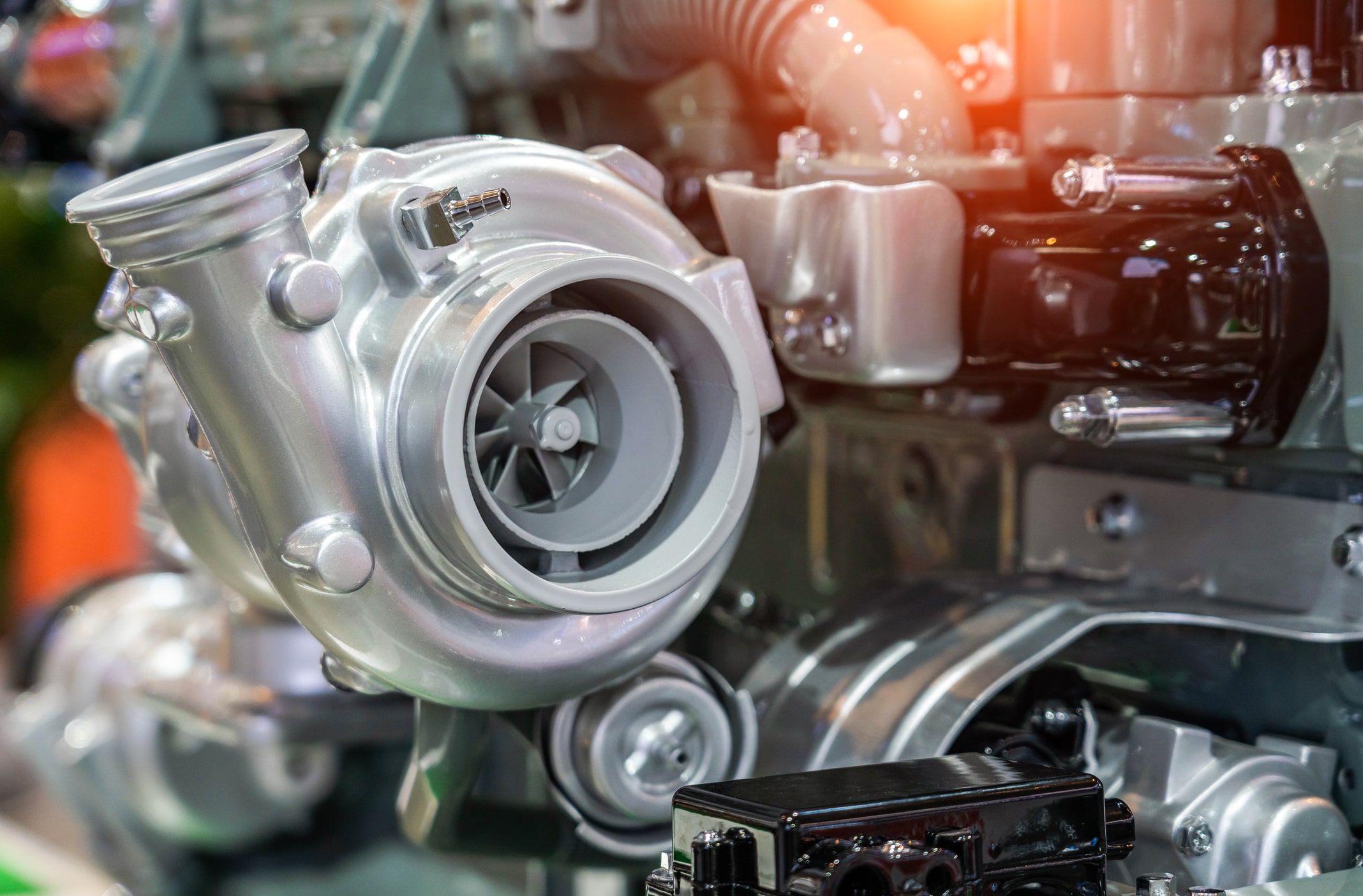
A turbocharger is like having a smart recycling system for your engine's exhaust. Instead of letting all that hot, pressurized exhaust gas simply exit through your tailpipe, a turbocharger captures it and puts it to work. The exhaust gases spin a turbine wheel at incredibly high speeds—we're talking up to 200,000 RPM, which is about 30 times faster than your engine's crankshaft at highway speeds.
This spinning turbine is connected to a compressor wheel that forces additional air into your engine's intake. More air means you can burn more fuel, and more fuel burning means significantly more power. It's an elegant solution that essentially gives you a larger engine's power output while maintaining a smaller engine's fuel efficiency during normal driving.
How Turbochargers Work in Real-World Driving
When you're cruising down the highway at steady speeds, your turbocharged engine operates efficiently like a smaller, naturally aspirated engine. But when you need to merge onto a busy freeway or pass a slow-moving vehicle, the turbocharger kicks in to provide that extra boost of power. This on-demand performance is why many modern vehicles use turbocharging—you get the best of both worlds.
Modern turbochargers also feature advanced technologies like variable geometry turbines and wastegate controls that help minimize something called "turbo lag.” This is the brief delay between when you press the accelerator and when the turbo starts providing boost. Today's systems are remarkably responsive compared to earlier turbo technology.
What Is a Supercharger?
A supercharger takes a more direct approach to forced induction. Instead of relying on exhaust gases, it's mechanically driven by your engine's crankshaft through a belt system, similar to how your alternator or power steering pump operates. This means the supercharger starts working immediately when you start your engine and provides instant power delivery.
Superchargers are a popular way to boost engine power instantly. Here are the three most common types:
- Roots-type: Known for simplicity and reliability.
- Twin-screw: Offers high efficiency and smooth power delivery.
- Centrifugal: Delivers top-end power with a compact design.
No matter the type, all superchargers provide that instant throttle response for quick, powerful acceleration.
The Supercharger Advantage for Performance Enthusiasts
Superchargers are often preferred by performance enthusiasts because they provide consistent, predictable power delivery across the entire RPM range. Unlike turbochargers that need exhaust flow to function effectively, superchargers provide boost from idle all the way to redline. This makes them excellent for applications where immediate throttle response is crucial, such as drag racing or spirited driving on winding roads.
Turbocharger vs Supercharger: Key Differences That Matter
Fuel Economy
Turbocharged engines typically offer better fuel economy because they allow manufacturers to use smaller displacement engines that operate efficiently during normal driving conditions. Supercharged engines, while more powerful, tend to consume more fuel because they're constantly drawing power from the engine to operate.
Maintenance Considerations
Turbochargers operate in extremely harsh conditions with high temperatures and pressures, which can lead to more complex maintenance requirements. They need high-quality oil and regular oil changes to keep the turbine bearings properly lubricated. Superchargers, being mechanically driven, are generally more straightforward to maintain but may require periodic rebuilding of internal components.
Performance Characteristics
If you value immediate throttle response and consistent power delivery, superchargers have the advantage. For those who prioritize fuel efficiency with the option for strong performance when needed, turbochargers are typically the better choice.
Cost Factors
Generally speaking, turbocharged systems are less expensive to manufacture and purchase, which is why they're more common in mainstream vehicles. Supercharged engines are often found in higher-performance vehicles where cost is less of a concern than maximum power output.
Is One Better Than the Other?
The choice between turbocharged and supercharged engines ultimately depends on your priorities as a driver. If you do mostly city and highway driving and want good fuel economy with occasional bursts of power for merging or passing, a turbocharged engine is likely your best bet. Most modern turbocharged engines provide excellent real-world performance while maintaining reasonable fuel costs.
If you're someone who values immediate power delivery and doesn't mind paying a bit more at the gas pump, a supercharged engine might be more appealing. These systems are particularly satisfying for drivers who enjoy the immediate response and the distinctive sound characteristics of supercharged engines.
Keep Your Forced Induction System Maintained
Regardless of which system your vehicle has, proper maintenance is crucial for longevity and performance. Both turbochargers and superchargers require high-quality oil and regular service intervals. If you notice any unusual noises, loss of power, or changes in your engine's behavior, it's important to have these systems inspected by qualified technicians who understand their unique requirements.
At Christian Brothers Automotive, our experienced technicians specialize in comprehensive engine services for both turbocharged and supercharged vehicles, ensuring your forced induction system performs at its peak. Let our team of experts help you maintain and optimize your forced induction system for maximum power, efficiency, and reliability.
Looking for engine maintenance? Find your local Christian Brothers Automotive today![1].jpg "Four Common Services Offered at Auto Repair Centers")
[2].jpg "Make Sure You're Getting Quality Auto Parts")
sunwash-tech-with-customer.png "What is a Car Inspection?")